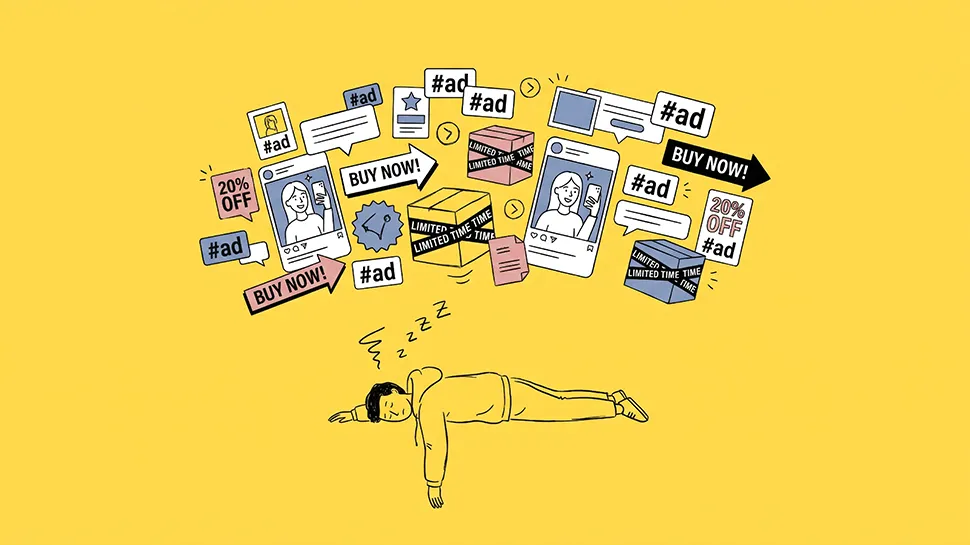
Scroll through any social feed today and you’ll notice a pattern, #ad, #collab, discount codes, and scripted product plugs. Audiences aren’t just noticing it; they’re tuning it out. Influencer fatigue is real, and it’s quietly becoming one of the biggest challenges in modern influencer marketing.
For brands, the problem isn’t influencer marketing itself, it’s how it’s being executed.
What Is Influencer Fatigue?
Influencer fatigue happens when audiences are overexposed to repetitive, overly promotional content. When every post starts to feel like a sales pitch, trust drops, engagement dips, and even strong creators struggle to deliver results.
In 2026, consumers are more aware, more selective, and less patient. They don’t just want recommendations, they want relevance, honesty, and value.
Where Brands Are Going Wrong
One of the biggest mistakes brands make is treating social-first influencer marketing like traditional advertising. The focus often stays on:
- Posting frequency over content quality
- Reach over relevance
- One-off campaigns over long-term storytelling
This leads to content that feels forced. A skincare product suddenly appearing in a creator’s feed with no context, or a fintech app being promoted by someone who never talks about money, these mismatches break credibility instantly.
Another issue is over-standardization. When multiple influencers post the same script, same visuals, and same messaging, campaigns lose originality. Audiences notice the pattern, and scroll past it.
The Shift from Promotion to Storytelling
What brands often miss is that influence is built through storytelling, not selling. The most effective influencer campaigns today don’t look like ads. They look like:
- Personal experiences
- Daily routines
- Honest reviews
- Problem-solution narratives
This kind of content feels native to platforms like Instagram and YouTube. It blends into the user’s feed instead of interrupting it.
UGC-style content, behind-the-scenes moments, and real-life integrations are outperforming polished brand creatives because they feel authentic.
Why Engagement Is the Real Metric
Another critical shift is in how success is measured. In a world of influencer fatigue, engagement depth matters more than impressions.
Brands are now looking at:
- Meaningful comments (not just emojis)
- Saves and shares
- Conversation quality
- Click-through and conversion rates
High reach with low engagement is no longer a win. Smaller creators with loyal communities often drive better results because their audience actually listens.
The Role of Long-Term Creator Partnerships
To overcome influencer fatigue, brands are moving toward long-term influencer collaborations. When creators consistently talk about a product over time, it builds familiarity and trust. The audience sees it as a genuine preference rather than a one-time promotion.
This shift also allows for better storytelling, where products become part of a narrative rather than a one-off mention.
The Way Forward
Influencer fatigue isn’t the end of influencer marketing, it’s a reset. It’s forcing brands to rethink their approach, prioritize authenticity, and focus on real connections.
At SocioClout, we help brands cut through the noise by building influencer marketing strategies that are rooted in authenticity, creativity, and data-driven insights. From identifying the right creators to crafting campaigns that feel natural and engaging, SocioClout ensures your brand doesn’t just show up, but truly connects.
If you’re ready to move beyond repetitive promotions and create influencer campaigns that people actually care about, partner with SocioClout and make your brand impossible to ignore.