Influence in 2026 will not come only from voices outside the brand. It will come from the people building it, selling it, and staying awake when things break.
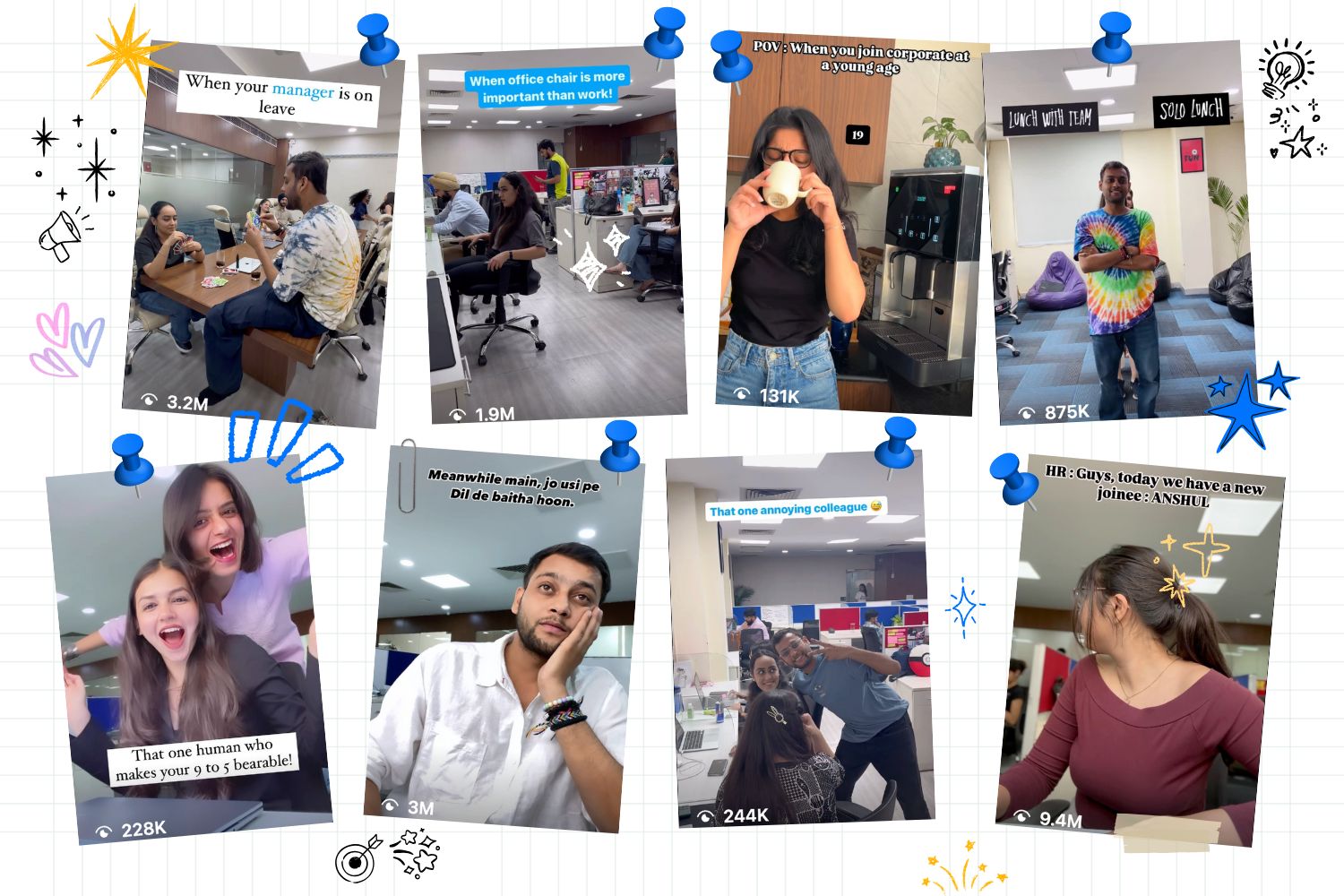
Employee-Generated Content (EGC) refers to content created by employees in the course of doing their jobs. What began as informal posting has evolved into a distinct influencing style. Traditional influencers influence through aspiration. Employees influence through proximity. They don’t collaborate with the brand; they operate it.
This doesn’t mean external influence disappears. In fact, the strongest influence strategies in 2026 blend three voices: external creators for reach, customers for validation, and employees for credibility. When these voices work together, influence stops being performative and starts becoming believable.
What gives EGC its power isn’t polish; it’s context.
- A warehouse lead showing order volumes during a sale
- A marketer sharing the chaos of a launch week
- A product manager explaining why a feature shipped late
These moments don’t feel like marketing because they aren’t designed to be. They’re designed to be real.
Droom is an early example of EGC being treated not as a moment, but as a system. Employees were encouraged to create content directly for the company’s social channels, speaking in their own voices
A different expression of EGC played out during Flipkart’s Big Billion Days. In the lead-up to the sale, employees shared behind-the-scenes glimpses of preparation with mattresses and pillows brought into the office for overnight war rooms, late-night planning sessions, teams monitoring dashboards in real time. None of this content came from a brand handle. It came from employees posting casually, almost incidentally.
And it worked.
The content went viral not because it was clever, but because it offered inside access. It showed scale, pressure, effort, and human intensity. Audiences didn’t just see a sale but they saw the machinery behind it. That kind of visibility builds trust in a way no polished campaign can.
EGC also forces a shift in how brands think about creators. Employees become a parallel creator ecosystem, one that needs the same treatment as influencers: creative freedom, clear boundaries, and amplification. The mistake is treating EGC as internal communication. In reality, it performs best when handled like influencer content that simply originates inside the company.
EGC doesn’t replace influencer marketing. It completes it.
Influence is no longer about who speaks for the brand. It’s about who lets the audience see inside it. That is the influencing style of 2026.